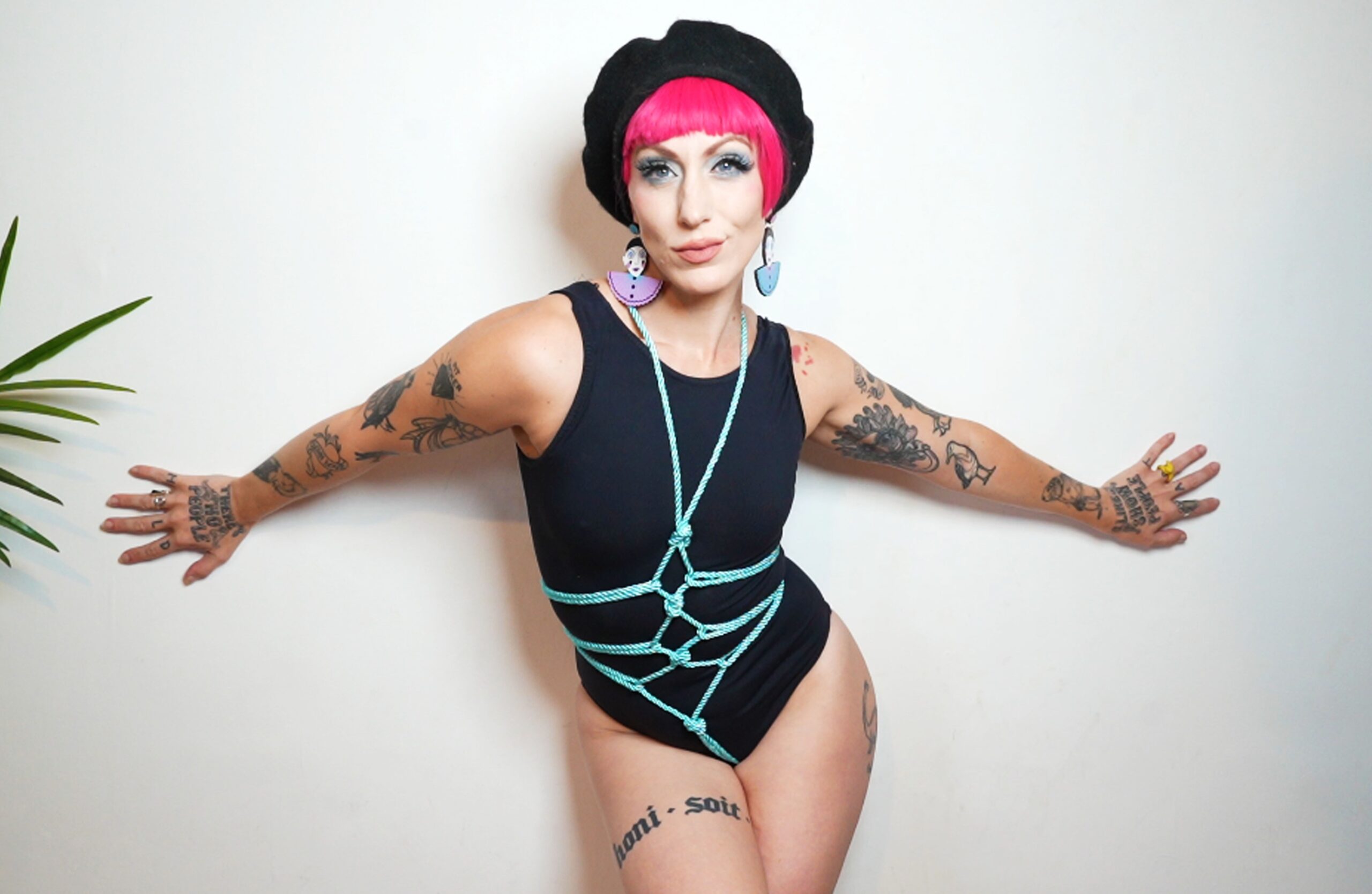
Play Piercing Fetish: The Art And Sensuality Of Piquerism
The History of Piquerism
The world of piquerism, often referred to as skin piercing art, has a rich and complex history that spans centuries. Emerging from the intersection of fetish culture, body modification, and artistic expression, piquerism has evolved over time into a distinct discipline that combines aesthetics, sensuality, and self-expression.
The Art Forms of Piquerism
Piquerism, a fetish that combines elements of bondage and piercing, has been gaining attention in recent years due to its unique blend of artistry and sensuality. This complex and often misunderstood practice involves the creation and exchange of decorative blood wounds, which are then revered as works of art by their enthusiasts. Piquerists see themselves as artists, using their bodies as mediums to express themselves and create a sense of community with like-minded individuals.
The Role of Piquerism in S&M Culture
Piquerism, a form of erotic fetishism that revolves around the act of piercing oneself or others, has long been a contentious yet intriguing aspect of S&M culture. This unique phenomenon combines elements of pain, pleasure, and vulnerability to create a complex web of desires and boundaries. As an art form, piquerism is characterized by its calculated risk-taking and deliberate self-injury, often accompanied by sensory overload and intense emotional highs. Despite its potential for harm, piquerism has gained a dedicated following among those drawn to the rush of adrenaline and the profound sense of liberation it provides. giftable
Health Risks and Safety Considerations
Piercing is an integral part of many cultures around the world, with various forms of body modification serving as a means of self-expression, identity, and artistic interpretation. For those who embrace the fetish aspect of piercing, known as piquerism, the practice extends beyond mere physical adornment to involve a sensory experience that taps into desires for touch, intimacy, and pleasure. However, like any activity involving bodily contact or needles, piercing carries inherent risks and safety considerations that must be taken seriously by both practitioners and professionals in this field.
The Psychological and Social Aspects of Piquerism
Piquerism, a fetish that has gained significant attention in recent years, is a complex and multifaceted phenomenon that delves into the intricate realms of human psychology and social behavior. Characterized by the act of self-inflicted or vicarious piercing of body parts, piquerism embodies a paradoxical blend of pain, pleasure, and control. This unique fetishistic practice has sparked intense debate and curiosity among scholars and enthusiasts alike, with some viewing it as an expression of empowerment and others labeling it as a manifestation of deeper psychological issues.
The Unique Dynamics Of Polyamory And Multi-Partner Relationships
Understanding Polyamory and Multi-Partner Relationships
Polyamory, or the practice of having multiple romantic relationships simultaneously, is often misunderstood and stigmatized in society. However, for those who choose this path, it can be a deeply fulfilling and meaningful way to experience love and connection.
Multi-partner relationships, where two or more people share a relationship with each other, can present unique dynamics that are distinct from traditional monogamous relationships. These relationships require a high degree of communication, trust, and emotional intelligence to navigate the complex web of emotions and boundaries involved.
The diversity of polyamorous relationships means that there is no one-size-fits-all approach to understanding and navigating these connections. toy safe From non-hierarchical networks to intimate triads, each relationship is shaped by its own set of needs, desires, and circumstances.
As the world becomes increasingly accepting of non-monogamy, it’s essential to explore the intricacies of polyamory and multi-partner relationships in order to promote understanding and reduce stigma. By examining the benefits, challenges, and complexities of these relationships, we can work towards creating a more inclusive and compassionate society that values diversity in love and connection.
Mutualism: The Core Principle of Polyamory
Mutualism is a core principle of polyamory, an ethical approach to non-monogamy that emphasizes cooperation, trust, honesty, and respect among all partners involved. At its heart, mutualism recognizes that multiple romantic relationships can exist simultaneously without one partner’s loss or the other party’s gain, but rather as mutually beneficial and enriching connections for all parties concerned.
Dynamic Shifting of Partnerships
The landscape of intimate relationships has long been characterized by monogamous norms, but an increasing number of individuals are embracing non-traditional partnership structures. Polyamory, a term often used to describe consensual non-monogamy, has sparked widespread debate and curiosity about the complexities of dynamic shifting in multiple partnerships.
Societal Attitudes towards Polyamory and Multi-Partner Relationships
Societal attitudes towards polyamory and multi-partner relationships have long been marked by confusion, judgment, and often, outright taboo. As a result, individuals involved in such relationships frequently face challenges related to acceptance, understanding, and even legal recognition.
Historically, monogamous norms have dominated Western societies, with polygamy and polyamory being viewed through a lens of social and cultural disapproval. This has led to a significant disconnect between those who identify as non-monogamous and the broader population, often making it difficult for individuals in these relationships to find support and validation.
However, societal attitudes are evolving. The increasing visibility and awareness of polyamory and multi-partner relationships through media, literature, and online platforms have contributed to a growing acceptance and understanding of non-monogamy. Nevertheless, challenges persist, particularly when it comes to navigating complex issues such as jealousy, communication, and power dynamics within these relationships.
Furthermore, the varying degrees of recognition and acceptance accorded to polyamory across different cultures and communities highlight the intricate complexities surrounding non-monogamous relationships. While some societies have a long tradition of recognizing and supporting polygamy, others view it with suspicion or even condemnation. The diversity in attitudes towards non-monogamy underscores the need for nuanced understanding and respect for individuals’ diverse relationship choices.
Care and Support within Polyamorous Communities
Care and support within polyamorous communities is crucial for building and maintaining healthy relationships with multiple partners. Unlike monogamous societies, where relationships are often viewed as a zero-sum game, where one person’s gain can only come at the expense of another’s loss, polyamorous relationships prioritize care and support as a collective effort.
When it comes to sharing resources, time, and emotions, polyamorous communities rely heavily on open communication, emotional intelligence, and empathy. This allows individuals to navigate the complexities of multiple relationships, recognizing that everyone has different needs, boundaries, and expectations.
Establishing a culture of care involves acknowledging and validating each partner’s experiences, desires, and feelings. In polyamorous communities, this can manifest in various ways, such as regular check-ins, emotional labor sharing, or collective problem-solving.
Support systems are also essential for navigating conflicts, power imbalances, and personal struggles. This might involve creating a network of trusted allies, establishing conflict resolution processes, or providing access to resources and services that cater to individual needs.
The distribution of care work is another critical aspect of polyamorous relationships. This includes tasks such as household chores, childcare, and emotional support. In many polyamorous households, these responsibilities are shared fairly among partners, promoting a sense of mutual responsibility and respect.
By prioritizing care and support within their communities, polyamorous individuals can create healthy, resilient relationships that flourish on mutual trust, understanding, and compassion. This approach not only benefits individual partners but also contributes to the overall well-being of the community as a whole.
Demigender Relationships: How Gender Fluidity Affects Love And Connection
Understanding Demigender Identities
Demigender identities encompass a spectrum of experiences where individuals partially identify with one gender while not fully identifying as another. This nuanced understanding of gender can profoundly impact relationships, particularly when navigating love and connection.
Defining Demigender
Understanding demigender identities is crucial for fostering inclusive and respectful relationships. Demigender individuals may identify as partially male, female, or non-binary, while also feeling a disconnect from their assigned sex at birth. This can manifest in various ways, with some individuals experiencing fluctuating gender expression or identifying strongly with one gender at certain times.
For demigender individuals, love and connection often involve navigating complexities around gender presentation, pronouns, and emotional intimacy. Partners should be open to learning about their loved one’s unique experience and respecting their evolving understanding of gender.
Variations in Demigender Experiences
Demigender experiences are incredibly diverse, with no single way of being demigender. Some individuals may identify as demiboy, meaning they partially identify as a boy but not fully, while others might identify as demitrans, feeling connected to another gender but not wanting to transition entirely.
Similarly, some demigender people might experience shifts in their gender identity over time, while others might have a more stable sense of their demigender identity. These variations highlight the importance of open communication and understanding within relationships. erotic female dolls collection
The Impact on Relationships
Demigender identities challenge traditional notions of gender and profoundly impact relationships by introducing complexities around gender expression, pronouns, and emotional intimacy. Understanding these nuances is crucial for fostering inclusive and respectful connections.
Communication and Understanding
Navigating love and connection in demigender relationships requires a willingness to embrace fluidity and understanding. Partners must be prepared to engage in open communication about evolving identities, preferred pronouns, and comfort levels with gender expression.
A lack of understanding or respect for demigender identities can lead to feelings of isolation, invalidity, and resentment within a relationship. Conversely, a space of acceptance and empathy fosters emotional intimacy and strengthens the bond between partners.
Ultimately, successful demigender relationships thrive on open communication, mutual respect, and a commitment to learning and growing together through the complexities of gender identity.
Navigating Gender Expression in Romantic Settings
Demigender identities encompass a spectrum of experiences where individuals partially identify with one gender while not fully identifying as another. This nuanced understanding of gender can profoundly impact relationships, particularly when navigating love and connection.
Understanding demigender identities is crucial for fostering inclusive and respectful relationships. Demigender individuals may identify as partially male, female, or non-binary, while also feeling a disconnect from their assigned sex at birth. This can manifest in various ways, with some individuals experiencing fluctuating gender expression or identifying strongly with one gender at certain times.
For demigender individuals, love and connection often involve navigating complexities around gender presentation, pronouns, and emotional intimacy. Partners should be open to learning about their loved one’s unique experience and respecting their evolving understanding of gender.
Demigender experiences are incredibly diverse, with no single way of being demigender. Some individuals may identify as demiboy, meaning they partially identify as a boy but not fully, while others might identify as demitrans, feeling connected to another gender but not wanting to transition entirely.
Similarly, some demigender people might experience shifts in their gender identity over time, while others might have a more stable sense of their demigender identity. These variations highlight the importance of open communication and understanding within relationships.
Demigender identities challenge traditional notions of gender and profoundly impact relationships by introducing complexities around gender expression, pronouns, and emotional intimacy. Understanding these nuances is crucial for fostering inclusive and respectful connections.
Navigating love and connection in demigender relationships requires a willingness to embrace fluidity and understanding. Partners must be prepared to engage in open communication about evolving identities, preferred pronouns, and comfort levels with gender expression.
A lack of understanding or respect for demigender identities can lead to feelings of isolation, invalidity, and resentment within a relationship. Conversely, a space of acceptance and empathy fosters emotional intimacy and strengthens the bond between partners.
Ultimately, successful demigender relationships thrive on open communication, mutual respect, and a commitment to learning and growing together through the complexities of gender identity.
Demigender identities challenge traditional concepts of gender, leading to unique dynamics in relationships. Internalized transphobia can negatively impact these relationships by causing individuals to doubt their own experiences and suppress their true selves.
When a demigender person internalizes transphobic messages, they may experience anxiety, depression, or self-hatred. This can manifest as discomfort with expressing their gender identity, leading to difficulties in connecting with partners on a genuine level. condom safe KY
Partners of demigender individuals need to be aware of the impact of internalized transphobia and strive to create a safe and accepting environment. Active listening, validation of experiences, and education about demigender identities are crucial steps in fostering a healthy and supportive relationship.
Building Healthy Connections
Demigender identities challenge traditional concepts of gender, leading to unique dynamics in relationships.
Respecting Pronouns and Names
Demigender identities encompass a spectrum of experiences where individuals partially identify with one gender while not fully identifying as another. This nuanced understanding of gender can profoundly impact relationships, particularly when navigating love and connection.
Understanding demigender identities is crucial for fostering inclusive and respectful relationships. Demigender individuals may identify as partially male, female, or non-binary, while also feeling a disconnect from their assigned sex at birth. This can manifest in various ways, with some individuals experiencing fluctuating gender expression or identifying strongly with one gender at certain times.
For demigender individuals, love and connection often involve navigating complexities around gender presentation, pronouns, and emotional intimacy. Partners should be open to learning about their loved one’s unique experience and respecting their evolving understanding of gender.
Demigender experiences are incredibly diverse, with no single way of being demigender. Some individuals may identify as demiboy, meaning they partially identify as a boy but not fully, while others might identify as demitrans, feeling connected to another gender but not wanting to transition entirely.
Similarly, some demigender people might experience shifts in their gender identity over time, while others might have a more stable sense of their demigender identity. These variations highlight the importance of open communication and understanding within relationships.
Demigender identities challenge traditional notions of gender and profoundly impact relationships by introducing complexities around gender expression, pronouns, and emotional intimacy. Understanding these nuances is crucial for fostering inclusive and respectful connections.
Navigating love and connection in demigender relationships requires a willingness to embrace fluidity and understanding. Partners must be prepared to engage in open communication about evolving identities, preferred pronouns, and comfort levels with gender expression.
A lack of understanding or respect for demigender identities can lead to feelings of isolation, invalidity, and resentment within a relationship. Conversely, a space of acceptance and empathy fosters emotional intimacy and strengthens the bond between partners.
Ultimately, successful demigender relationships thrive on open communication, mutual respect, and a commitment to learning and growing together through the complexities of gender identity.
Demigender identities challenge traditional concepts of gender, leading to unique dynamics in relationships. Internalized transphobia can negatively impact these relationships by causing individuals to doubt their own experiences and suppress their true selves.
When a demigender person internalizes transphobic messages, they may experience anxiety, depression, or self-hatred. This can manifest as discomfort with expressing their gender identity, leading to difficulties in connecting with partners on a genuine level.
Partners of demigender individuals need to be aware of the impact of internalized transphobia and strive to create a safe and accepting environment. Active listening, validation of experiences, and education about demigender identities are crucial steps in fostering a healthy and supportive relationship.
Creating a Safe and Supportive Environment
Building healthy connections in any relationship requires understanding, communication, and respect. When it comes to demigender individuals, these principles become even more vital. Demigender people experience gender in a way that partially aligns with one or two genders while not fully identifying with either. This can lead to complexities in navigating love and connection.
Creating a safe and supportive environment is paramount. This involves actively listening to your partner’s experiences, validating their feelings, and educating yourself about demigender identities. It’s crucial to respect their pronouns, chosen name, and how they express their gender.
Open communication is essential for fostering intimacy and understanding. Encourage your partner to share their thoughts and feelings about their gender identity, and be receptive to learning about their evolving experiences. Remember that gender expression can fluctuate, so be flexible and adaptable in your approach.
Embrace fluidity and acceptance. Demigender identities are diverse, with individuals experiencing their gender in unique ways. Avoid making assumptions or imposing your own understanding on them. Celebrate their individuality and support their journey of self-discovery.
Empathy and Validation
Building healthy connections in any relationship requires understanding, communication, and respect. When it comes to demigender individuals, these principles become even more vital. Demigender people experience gender in a way that partially aligns with one or two genders while not fully identifying with either. This can lead to complexities in navigating love and connection.
Creating a safe and supportive environment is paramount. This involves actively listening to your partner’s experiences, validating their feelings, and educating yourself about demigender identities. It’s crucial to respect their pronouns, chosen name, and how they express their gender.
Open communication is essential for fostering intimacy and understanding. Encourage your partner to share their thoughts and feelings about their gender identity, and be receptive to learning about their evolving experiences. Remember that gender expression can fluctuate, so be flexible and adaptable in your approach.
Embrace fluidity and acceptance. Demigender identities are diverse, with individuals experiencing their gender in unique ways. Avoid making assumptions or imposing your own understanding on them. Celebrate their individuality and support their journey of self-discovery.
Demigender Representation in Media
Demigender representation in media is slowly evolving, but there’s still a long way to go. Understanding demigender identities is crucial for fostering inclusive and respectful relationships. Demigender individuals may identify as partially male, female, or non-binary, while also feeling a disconnect from their assigned sex at birth. This can manifest in various ways, with some individuals experiencing fluctuating gender expression or identifying strongly with one gender at certain times.
Positive Depictions and Role Models
While representation is increasing, demigender characters are still often underrepresented or misrepresented in media. Positive depictions can offer valuable visibility and create a sense of belonging for demigender individuals who might otherwise feel isolated.
Positive role models within media can have a profound impact on demigender youth. Seeing themselves reflected in fictional characters, particularly those portrayed with depth and authenticity, can help demigender individuals understand their experiences are valid and worthy of celebration.
When media portrays demigender characters accurately and respectfully, it contributes to greater societal understanding and acceptance. This can lead to more inclusive environments for demigender people in all aspects of life.
The Importance of Accurate Representation
Demigender representation in media is crucial for fostering a more inclusive and understanding society. Accurate portrayals of demigender individuals can help challenge stereotypes and misconceptions surrounding gender identity, leading to greater acceptance and empathy.
Unfortunately, demigender representation in media often falls short. Demigender characters may be underrepresented or misrepresented, perpetuating harmful stereotypes and contributing to feelings of isolation for those who identify as demigender.
Positive and authentic representations are essential. When media portrays demigender characters with depth, complexity, and respect, it can have a profound impact on viewers. It can help demigender individuals feel seen, validated, and understood, while also educating others about the nuances of gender identity.
Demisexuality, a relatively recent term in the spectrum of sexual orientations, describes individuals who experience sexual attraction only after forming a strong emotional bond with someone. This distinct preference for delayed physical intimacy sets demisexuality apart from other sexual orientations and can lead to unique experiences and challenges in navigating romantic relationships.
Definition and Core Characteristics
Understanding demisexuality begins with recognizing that it’s not simply about delaying sex; it’s fundamentally about the nature of attraction. Demisexual individuals don’t experience sexual desire until they develop a deep emotional connection with another person. This connection can be built through shared experiences, open communication, and a sense of trust and intimacy.
Core to demisexuality is the idea that emotional intimacy is a prerequisite for sexual attraction. While some may initially conflate it with asexual orientation (where individuals lack sexual attraction altogether), demisexuals experience sexual attraction but only after forming this strong emotional sex bets for couples bond.
Distinguishing Demisexuality from Other Sexual Orientations
Distinguishing demisexuality from other orientations, such as asexuality and aromanticism, is crucial for accurate understanding. Asexual individuals do not experience sexual attraction at all, regardless of emotional closeness. Aromantic individuals lack romantic attraction, which may or may not encompass sexual attraction. Demisexuality, however, sits on a different spectrum, characterized by the need for emotional intimacy as a prerequisite for sexual attraction.
Another common point of confusion is with grey-sexual and fluid identities. Grey-sexual individuals experience sexual attraction on a spectrum, sometimes experiencing it only under specific circumstances or with certain people. Fluid sexuality describes individuals whose attractions fluctuate over time or across different contexts. While these experiences can overlap with demisexuality in some ways, the core principle of emotional intimacy as a trigger for sexual attraction remains distinct to demisexuality.
Common Misconceptions
Demisexuality is often misunderstood, leading to several common misconceptions. One such misconception is that demisexual individuals are simply delaying sex due to personal or religious beliefs. It’s important to remember that demisexuality is not about abstinence but about the fundamental nature of attraction.
Another misconception is that demisexuality equates to asexuality. While both orientations involve variations in sexual attraction, they are distinct. Demisexual individuals experience sexual attraction, but only after forming a strong emotional bond. Asexual individuals, on the other hand, do not experience sexual attraction at all.
Some people may also conflate demisexuality with aromanticism, which is the lack of romantic attraction. While some demisexual individuals might also be aromantic, it’s not a defining characteristic of demisexuality.
Finally, it’s crucial to distinguish demisexuality from fluid or grey-sexual identities. Fluid sexuality refers to attractions that change over time or in different contexts, while grey-sexual individuals experience sexual attraction on a spectrum, sometimes only under specific circumstances. Demisexuality is distinct in its emphasis on emotional intimacy as the prerequisite for sexual attraction.
Experiences of Demisexual Individuals
Demisexuality is a unique orientation characterized by experiencing sexual attraction only after forming a deep emotional bond with someone. This distinction sets demisexual individuals apart and can lead to both fulfilling connections and challenges in navigating relationships. Understanding demisexuality involves recognizing that it’s not about delaying sex but rather about the fundamental nature of attraction, where emotional intimacy is essential for sexual desire to develop.
Attraction and Romantic Relationships
Navigating romantic relationships as a demisexual person can be both rewarding and challenging. The foundation of demisexuality lies in prioritizing emotional intimacy before experiencing sexual attraction. This means that building trust, communication, and a strong emotional connection are crucial steps in developing a physical relationship with a partner.
For some demisexual individuals, this journey may involve explaining their orientation to potential partners and setting clear expectations about the pace of the relationship. Open and honest communication is essential for ensuring both partners feel understood and respected.
While the delay in physical intimacy might lead to initial misunderstandings or frustration for some partners, demisexual individuals often find that the emotional depth they cultivate leads to stronger, more meaningful connections in the long run.
Demisexuality can also present unique challenges when navigating social norms and expectations surrounding relationships. The pressure to engage in physical intimacy before feeling emotionally ready can be stressful, leading to feelings of discomfort or isolation. Finding supportive communities or online spaces where demisexual individuals can connect and share their experiences can provide valuable support and validation.
Ultimately, understanding and embracing demisexuality involves recognizing its unique dynamics and communication needs. By prioritizing emotional intimacy as a foundation for relationships, demisexual individuals can forge deep, fulfilling connections that align with their authentic selves.
Intimacy and Physical Touch
Navigating romantic relationships as a demisexual person can be both rewarding and challenging. The foundation of demisexuality lies in prioritizing emotional intimacy before experiencing sexual attraction. This means that building trust, communication, and a strong emotional connection are crucial steps in developing a physical relationship with a partner.
For some demisexual individuals, this journey may involve explaining their orientation to potential partners and setting clear expectations about the pace of the relationship. Open and honest communication is essential for ensuring both partners feel understood and respected.
While the delay in physical intimacy might lead to initial misunderstandings or frustration for some partners, demisexual individuals often find that the emotional depth they cultivate leads to stronger, more meaningful connections in the long run.
Demisexuality can also present unique challenges when navigating social norms and expectations surrounding relationships. The pressure to engage in physical intimacy before feeling emotionally ready can be stressful, leading to feelings of discomfort or isolation. Finding supportive communities or online spaces where demisexual individuals can connect and share their experiences can provide valuable support and validation.
Ultimately, understanding and embracing demisexuality involves recognizing its unique dynamics and communication needs. By prioritizing emotional intimacy as a foundation for relationships, demisexual individuals can forge deep, fulfilling connections that align with their authentic selves.
Coming Out and Finding Community
Coming out as demisexual can be a deeply personal journey, influenced by individual comfort levels, family dynamics, and support systems. Some demisexual individuals may choose to come out gradually, starting with close friends or family members they feel most comfortable with. Others might opt for a more public coming out, sharing their identity through social media or joining online communities dedicated to demisexuality.
The process of coming out can evoke a range of emotions, including excitement, anxiety, fear, and even relief. It’s important to remember that there is no right or wrong way to come out, and the pace should be dictated by individual readiness and comfort levels.
For demisexual individuals navigating their identities, finding supportive communities can be incredibly valuable. Online spaces, forums, and social media groups dedicated to demisexuality provide platforms for connection, shared experiences, and mutual support. These communities offer a safe haven where individuals can express themselves authentically, learn from others, and gain valuable insights into navigating the complexities of demisexuality.
In-person meetups or local groups can also provide opportunities for face-to-face interaction and building lasting connections with other demisexual individuals. Sharing experiences, offering advice, and celebrating shared identities can foster a sense of belonging and reduce feelings of isolation that might arise from being part of a less understood orientation.
By actively seeking out and engaging with supportive communities, demisexual individuals can find validation, understanding, and valuable resources to help them navigate the world confidently and authentically.
Navigating Social Interactions
Demisexuality is a relatively recent term that describes individuals who experience sexual attraction only after forming a strong emotional bond with someone. This means that for demisexual people, building trust and intimacy are essential prerequisites for experiencing physical desire. Understanding demisexuality is crucial for navigating relationships and fostering respectful communication with potential partners.
Communicating Needs and Boundaries
Demisexuality presents unique challenges in the realm of social interactions and communicating needs and boundaries. It’s crucial for demisexual individuals to clearly articulate their experiences and expectations to avoid misunderstandings and potential hurt feelings.
One key aspect is establishing clear boundaries around physical intimacy. Demisexual people may need to explain that they are not comfortable engaging in sexual activity until they have developed a strong emotional connection with their partner. This might involve setting timelines, expressing comfort levels, or reiterating the importance of emotional intimacy as a prerequisite for physical intimacy.
Open communication is paramount in navigating these boundaries. Demisexual individuals should feel comfortable expressing their needs and desires, while also being respectful of their partner’s feelings and perspectives. Honest conversations about expectations, pace, and comfort levels can foster a deeper understanding and build stronger connections.
It’s important for demisexual people to remember that they have the right to set boundaries and prioritize their emotional well-being. Saying “no” to physical intimacy when not ready is perfectly valid and should be respected by their partners.
Moreover, demisexual individuals may need to educate others about their orientation and dispel common misconceptions. Sharing information about demisexuality, emphasizing the importance of emotional intimacy, and clarifying that it’s not simply delaying sex due to personal beliefs can help create a more understanding and supportive environment.
Navigating social situations can also present unique challenges. Demisexual people may encounter pressure to conform to societal norms around physical intimacy or experience discomfort when discussing their orientation with those who are unfamiliar with the concept. Finding supportive communities or engaging in open discussions about demisexuality can provide valuable support and guidance in navigating these social complexities.
Dealing with Uninformed People
Navigating social interactions as a demisexual person can be both rewarding and challenging. discreet vibrators It often requires clear communication, setting boundaries, and educating others about demisexuality. Here are some tips:
Be Open and Honest: Share your identity with those you trust and feel comfortable with. Explain what demisexuality means to you and how it influences your experiences.
Set Boundaries: Clearly communicate your boundaries around physical intimacy. Explain that you need to develop a strong emotional connection before engaging in sexual activity.
Educate Others: Be prepared to explain what demisexuality is and dispel common misconceptions. Use resources like online articles or websites to provide accurate information.
Find Supportive Communities: Connect with other demisexual individuals online or in person. Sharing experiences and offering support can be invaluable.
Practice Self-Care: Prioritize your emotional well-being. Engage in activities that bring you joy and create a supportive environment around yourself.
Remember, it’s important to advocate for your needs and communicate your experiences openly.
Building Healthy Relationships
Demisexuality is a relatively recent term that describes individuals who experience sexual attraction only after forming a strong emotional bond with someone. This means that for demisexual people, building trust and intimacy are essential prerequisites for experiencing physical desire. Understanding demisexuality is crucial for navigating relationships and fostering respectful communication with potential partners.
Demisexuality presents unique challenges in the realm of social interactions and communicating needs and boundaries. It’s crucial for demisexual individuals to clearly articulate their experiences and expectations to avoid misunderstandings and potential hurt feelings.
One key aspect is establishing clear boundaries around physical intimacy. Demisexual people may need to explain that they are not comfortable engaging in sexual activity until they have developed a strong emotional connection with their partner. This might involve setting timelines, expressing comfort levels, or reiterating the importance of emotional intimacy as a prerequisite for physical intimacy.
Open communication is paramount in navigating these boundaries. Demisexual individuals should feel comfortable expressing their needs and desires, while also being respectful of their partner’s feelings and perspectives. Honest conversations about expectations, pace, and comfort levels can foster a deeper understanding and build stronger connections.
It’s important for demisexual people to remember that they have the right to set boundaries and prioritize their emotional well-being. Saying “no” to physical intimacy when not ready is perfectly valid and should be respected by their partners.
Moreover, demisexual individuals may need to educate others about their orientation and dispel common misconceptions. Sharing information about demisexuality, emphasizing the importance of emotional intimacy, and clarifying that it’s not simply delaying sex due to personal beliefs can help create a more understanding and supportive environment.
Navigating social situations can also present unique challenges. Demisexual people may encounter pressure to conform to societal norms around physical intimacy or experience discomfort when discussing their orientation with those who are unfamiliar with the concept. Finding supportive communities or engaging in open discussions about demisexuality can provide valuable support and guidance in navigating these social complexities.
Navigating social interactions as a demisexual person can be both rewarding and challenging. It often requires clear communication, setting boundaries, and educating others about demisexuality. Here are some tips:
Be Open and Honest: Share your identity with those you trust and feel comfortable with. Explain what demisexuality means to you and how it influences your experiences.
Set Boundaries: Clearly communicate your boundaries around physical intimacy. Explain that you need to develop a strong emotional connection before engaging in sexual activity.
Educate Others: Be prepared to explain what demisexuality is and dispel common misconceptions. Use resources like online articles or websites to provide accurate information. wand heads
Find Supportive Communities: Connect with other demisexual individuals online or in person. Sharing experiences and offering support can be invaluable. gothic vibe
Practice Self-Care: Prioritize your emotional well-being. Engage in activities that bring you joy and create a supportive environment around yourself.
Remember, it’s important to advocate for your needs and communicate your experiences openly.
Resources and Support
Navigating the world of demisexuality can be a journey filled with both challenges and rewards. Finding the right resources and support is crucial for understanding this unique orientation and building fulfilling relationships.
Online communities, forums, and websites dedicated to demisexuality offer invaluable connections with others who share similar experiences. These platforms provide safe spaces to ask questions, share stories, and learn from one another.
Organizations focused on LGBTQ+ issues often have resources specifically tailored to demisexual individuals, offering guidance, support groups, and educational materials.
Seeking out therapists or counselors who are knowledgeable about demisexuality can provide personalized support and help navigate any emotional challenges that may arise.
Organizations and Online Communities
Navigating the world of demisexuality can be a journey filled with both challenges and rewards. Finding the right resources and support is crucial for understanding this unique orientation and building fulfilling relationships.
Online communities, forums, and websites dedicated to demisexuality offer invaluable connections with others who share similar experiences. These platforms provide safe spaces to ask questions, share stories, and learn from one another.
Organizations focused on LGBTQ+ issues often have resources specifically tailored to demisexual individuals, offering guidance, support groups, and educational materials. Some helpful organizations include:
* **The Trevor Project:** Provides crisis intervention and suicide prevention services to LGBTQ+ youth. * **GLAAD:** Works to promote understanding and acceptance of LGBTQ+ people through media advocacy. * **Human Rights Campaign (HRC):** Advocates for LGBTQ+ equality through legislation, education, and public awareness campaigns.
Seeking out therapists or counselors who are knowledgeable about demisexuality can provide personalized support and help navigate any emotional challenges that may arise.
Navigating the world of demisexuality can be a journey filled with both challenges and rewards. Finding the right resources and support is crucial for understanding this unique orientation and building fulfilling relationships.
Online communities, forums, and websites dedicated to demisexuality offer invaluable connections with others who share similar experiences. These platforms provide safe spaces to ask questions, share stories, and learn from one another.
Organizations focused on LGBTQ+ issues often have resources specifically tailored to demisexual individuals, offering guidance, support groups, and educational materials. Some helpful organizations include:
The Trevor Project: Provides crisis intervention and suicide prevention services to LGBTQ+ youth.
GLAAD: Works to promote understanding and acceptance of LGBTQ+ people through media advocacy.
Human Rights Campaign (HRC): Advocates for LGBTQ+ equality through legislation, education, and public awareness campaigns.
Seeking out therapists or counselors who are knowledgeable about demisexuality can provide personalized support and help navigate any emotional challenges that may arise.
Therapy and Counseling
Navigating the world of demisexuality can be both rewarding and challenging. Here are some key resources and support systems available:
**Online Communities:**
Joining online communities and forums dedicated to demisexuality can provide a sense of belonging, offer valuable advice, and connect you with individuals who understand your experiences. Many platforms cater specifically to demisexual people, creating safe spaces for sharing stories, asking questions, and offering support.
**LGBTQ+ Organizations:**
Organizations that focus on LGBTQ+ issues often have resources specifically tailored to demisexual individuals. They may offer support groups, educational materials, and guidance on navigating relationships and social interactions as a demisexual person. Some examples include The Trevor Project, GLAAD, and the Human Rights Campaign (HRC).
**Therapy and Counseling:**
Finding a therapist or counselor who is knowledgeable about demisexuality can be incredibly beneficial. They can provide a safe space to explore your feelings, offer guidance on communicating your needs in relationships, and help you navigate any emotional challenges that may arise from navigating this unique orientation.
What It’s Like To Experience Graysexuality In A Sexualized World
The Core of Graysexuality
Navigating a world saturated with expectations around sexuality can be challenging for anyone, but for those who identify as graysexual, it presents unique complexities. Graysexuality lies on the spectrum of sexual orientation, encompassing individuals whose desire for sexual intimacy fluctuates and varies based on context, relationship, or emotional connection.
Defining Graysexuality
Unlike individuals who identify as asexual or exclusively heterosexual, graysexual people experience a spectrum of desire. Sometimes they feel a strong pull towards sexual activity, while at other times, their interest wanes. This fluctuation can be confusing and isolating in a society that often assumes binary categories of “sexual” or “asexual.”
Understanding the nuances of graysexuality involves recognizing that it’s not about a lack of desire altogether, but rather a different experience of sexual drive. It’s about finding personal comfort and authenticity in a fluctuating spectrum of intimacy.
Spectrum and Fluidity
Navigating a world saturated with expectations around sexuality can be challenging for anyone, but for those who identify as graysexual, it presents unique complexities. Graysexuality lies on the spectrum of sexual orientation, encompassing individuals whose desire for sexual intimacy fluctuates and varies based on context, relationship, or emotional connection. Unlike individuals who identify as asexual or exclusively heterosexual, graysexual people experience a spectrum of desire. Sometimes they feel a strong pull towards sexual activity, while at other times, their interest wanes. This fluctuation can be confusing and isolating in a society that often assumes binary categories of “sexual” or “asexual.” Understanding the nuances of graysexuality involves recognizing that it’s not about a lack of desire altogether, but rather a different experience of sexual drive. It’s about finding personal comfort and authenticity in a fluctuating spectrum of intimacy.
Embracing fluidity is crucial for graysexual individuals. What feels right one day may differ from another. There’s no need to force oneself into a mold or conform to societal expectations. Open communication with partners is essential, allowing both parties to understand each other’s needs and desires in a way that respects individual boundaries.
Ultimately, the experience of graysexuality is deeply personal. It’s about honoring one’s own feelings, embracing the complexities of desire, and navigating intimacy on one’s own terms.
Internalized Societal Pressures
Navigating a world saturated with expectations around sexuality can be challenging for anyone, but for those who identify as graysexual, it presents unique complexities. Graysexuality lies on the spectrum of sexual orientation, encompassing individuals whose desire for sexual intimacy fluctuates and varies based on context, relationship, or emotional connection.
Unlike individuals who identify as asexual or exclusively heterosexual, graysexual people experience a spectrum of desire. Sometimes they feel a strong pull towards sexual activity, while at other times, their interest wanes.
This fluctuation can be confusing and isolating in a society that often assumes binary categories of “sexual” or “asexual.”
Understanding the nuances of graysexuality involves recognizing that it’s not about a lack of desire altogether, but rather a different experience of sexual drive. It’s about finding personal comfort and authenticity in a fluctuating spectrum of intimacy. Embracing fluidity is crucial for graysexual individuals. What feels right one day may differ from another. There’s no need to force oneself into a mold or conform to societal expectations. Open communication with partners is essential, allowing both parties to understand each other’s needs and desires in a way that respects individual boundaries.
Ultimately, the experience of graysexuality is deeply personal. It’s about honoring one’s own feelings, embracing the complexities of desire, and navigating intimacy on one’s own terms.
Navigating Social Expectations
Navigating a world saturated with expectations around sexuality can be challenging for anyone, but for those who identify as graysexual, it presents unique complexities. Graysexuality lies on the spectrum of sexual orientation, encompassing individuals whose desire for sexual intimacy fluctuates and varies based on context, relationship, or emotional connection. Unlike individuals who identify as asexual or exclusively heterosexual, graysexual people experience a spectrum of desire. Sometimes they feel a strong pull towards sexual activity, while at other times, their interest wanes.
Dating and Relationships
Navigating a world saturated with expectations around sexuality can be challenging for anyone, but for those who identify as graysexual, it presents unique complexities. Graysexuality lies on the spectrum of sexual orientation, encompassing individuals whose desire for sexual intimacy fluctuates and varies based on context, relationship, or emotional connection. Unlike individuals who identify as asexual or exclusively heterosexual, graysexual people experience a spectrum of desire. Sometimes they feel a strong pull towards sexual activity, while at other times, their interest wanes. This fluctuation can be confusing and isolating in a society that often assumes binary categories of “sexual” or “asexual.” Understanding the nuances of graysexuality involves recognizing that it’s not about a lack of desire altogether, but rather a different experience of sexual drive.
It’s about finding personal comfort and authenticity in a fluctuating spectrum of intimacy. Embracing fluidity is crucial for graysexual individuals. What feels right one day may differ from another. There’s no need to force oneself into a mold or conform to societal expectations. Open communication with partners is essential, allowing both parties to understand each other’s needs and desires in a way that respects individual boundaries.
Ultimately, the experience of graysexuality is deeply personal. It’s about honoring one’s own feelings, embracing the complexities of desire, and navigating intimacy on one’s own terms. inflatable dolls
Misunderstandings and Stigma
Navigating a world saturated with expectations around sexuality can be challenging for anyone, but for those who identify as graysexual, it presents unique complexities.
Graysexuality lies on the spectrum of sexual orientation, encompassing individuals whose desire for sexual intimacy fluctuates and varies based on context, relationship, or emotional connection. Unlike individuals who identify as asexual or exclusively heterosexual, graysexual people experience a spectrum of desire. Sometimes they feel a strong pull towards sexual activity, while at other times, their interest wanes. This fluctuation can be confusing and isolating in a society that often assumes binary categories of “sexual” or “asexual.”
Understanding the nuances of graysexuality involves recognizing that it’s not about a lack of desire altogether, but rather a different experience of sexual drive.
It’s about finding personal comfort and authenticity in a fluctuating spectrum of intimacy.
Embracing fluidity is crucial for graysexual individuals. What feels right one day may differ from another. There’s no need to force oneself into a mold or conform to societal expectations. Open communication with partners is essential, allowing both parties to understand each other’s needs and desires in a way that respects individual boundaries.
Ultimately, the experience of graysexuality is deeply personal. It’s about honoring one’s own feelings, embracing the complexities of desire, and navigating intimacy on one’s own terms.
Finding Like-minded Individuals
Navigating a world saturated with expectations around sexuality can be challenging for anyone, but for those who identify as graysexual, it presents unique complexities. Graysexuality lies on the spectrum of sexual orientation, encompassing individuals whose desire for sexual intimacy fluctuates and varies based on context, relationship, or emotional connection.
Unlike individuals who identify as asexual or exclusively heterosexual, graysexual people experience a spectrum of desire. Sometimes they feel a strong pull towards sexual activity, while at other times, their interest wanes. This fluctuation can be confusing and isolating in a society that often assumes binary categories of “sexual” or “asexual.”
Finding like-minded individuals can help alleviate this isolation. Online communities dedicated to graysexuality offer spaces for shared experiences, understanding, and support. Connecting with others who understand the nuances of fluctuating desire can be incredibly validating.
Additionally, seeking out educational resources about graysexuality can empower individuals to better understand themselves and communicate their needs effectively.
Understanding the nuances of graysexuality involves recognizing that it’s not about a lack of desire altogether, but rather a different experience of sexual drive. It’s about finding personal comfort and authenticity in a fluctuating spectrum of intimacy.
Embracing fluidity is crucial for graysexual individuals. What feels right one day may differ from another. There’s no need to force oneself into a mold or conform to societal expectations. Open communication with partners is essential, allowing both parties to understand each other’s needs and desires in a way that respects individual boundaries.
Ultimately, the experience of graysexuality is deeply personal. It’s about honoring one’s own feelings, embracing the complexities of desire, and navigating intimacy on one’s own terms.
Embracing Self-Acceptance
Navigating a world saturated with expectations around sexuality can be challenging for anyone, but for those who identify as graysexual, it presents unique complexities. Graysexuality lies on the spectrum of sexual orientation, encompassing individuals whose desire for sexual intimacy fluctuates and varies based on context, relationship, or emotional connection.
Understanding Personal Needs and Desires
Navigating a world saturated with expectations around sexuality can be challenging for anyone, but for those who identify as graysexual, it presents unique complexities. Graysexuality lies on the spectrum of sexual orientation, encompassing individuals whose desire for sexual intimacy fluctuates and varies based on context, relationship, or emotional connection.
Unlike individuals who identify as asexual or exclusively heterosexual, graysexual people experience a spectrum of desire. Sometimes they feel a strong pull towards sexual activity, while at other times, their interest wanes. This fluctuation can be confusing and isolating in a society that often assumes binary categories of “sexual” or “asexual.” Understanding the nuances of graysexuality involves recognizing that it’s not about a lack of desire altogether, but rather a different experience of sexual drive. It’s about finding personal comfort and authenticity in a fluctuating spectrum of intimacy.
Embracing fluidity is crucial for graysexual individuals. What feels right one day may differ from another. There’s no need to force oneself into a mold or conform to societal expectations. Open communication with partners is essential, allowing both parties to understand each other’s needs and desires in a way that respects individual boundaries.
Ultimately, the experience of graysexuality is deeply personal. It’s about honoring one’s own feelings, embracing the complexities of desire, and navigating intimacy on one’s own terms.
Setting Boundaries
Embracing self-acceptance is a cornerstone for anyone navigating the complexities of their sexual identity, including those who identify as graysexual. Graysexuality exists on a spectrum, where individuals experience fluctuating levels of desire that are influenced by context, relationships, and emotional connections.
Setting boundaries becomes crucial in this journey of self-discovery. It allows graysexual individuals to communicate their needs and desires authentically, protecting their well-being and ensuring respectful interactions with others.
Boundaries can encompass various aspects:
* **Physical Intimacy:** Clearly stating preferences regarding physical touch and sexual activity is essential. This could involve outlining comfortable levels of intimacy in different situations or specifying times when physical touch feels desired or unwanted.
* **Emotional Intimacy:** Just as physical boundaries are important, emotional boundaries protect one’s feelings and mental well-being. It might involve setting limits on sharing personal information or discussing emotionally sensitive topics if it feels overwhelming or uncomfortable.
* **Communication Styles:** Open and honest communication is vital. Graysexual individuals should feel comfortable expressing their needs and desires without feeling pressured to conform to societal expectations or appease others.
Remembering that boundaries are fluid and can evolve over time is important. What feels right today might change tomorrow, and that’s perfectly okay.
The key is open communication with partners and friends, allowing for adjustments and ensuring everyone involved respects each other’s evolving needs and limits. By embracing self-acceptance and setting healthy boundaries, graysexual individuals can navigate the complexities of their identity with greater confidence and authenticity.
Celebrating Individuality
Embracing self-acceptance is a cornerstone for anyone navigating the complexities of their sexual identity, including those who identify as graysexual. Graysexuality exists on a spectrum, where individuals experience fluctuating levels of desire that are influenced by context, relationships, and emotional connections.
Setting boundaries becomes crucial in this journey of self-discovery. It allows graysexual individuals to communicate their needs and desires authentically, protecting their well-being and ensuring respectful interactions with others. Boundaries can encompass various aspects:
* **Physical Intimacy:** Clearly stating preferences regarding physical touch and sexual activity is essential. UK penis sleeves This could involve outlining comfortable levels of intimacy in different situations or specifying times when physical touch feels desired or unwanted.
* **Emotional Intimacy:** Just as physical boundaries are important, emotional boundaries protect one’s feelings and mental well-being. It might involve setting limits on sharing personal information or discussing emotionally sensitive topics if it feels overwhelming or uncomfortable.
* **Communication Styles:** Open and honest communication is vital. Graysexual individuals should feel comfortable expressing their needs and desires without feeling pressured to conform to societal expectations or appease others.
Remembering that boundaries are fluid and can evolve over time is important. What feels right today might change tomorrow, and that’s perfectly okay. The key is open communication with partners and friends, allowing for adjustments and ensuring everyone involved respects each other’s evolving needs and limits. By embracing self-acceptance and setting healthy boundaries, graysexual individuals can navigate the complexities of their identity with greater confidence and authenticity.
The Future of Graysexuality Visibility
Navigating a world saturated with expectations around sexuality can be challenging for anyone, but for those who identify as graysexual, it presents unique complexities. Graysexuality lies on the spectrum of sexual orientation, encompassing individuals whose desire for sexual intimacy fluctuates and varies based on context, relationship, or emotional connection. Unlike individuals who identify as asexual or exclusively heterosexual, graysexual people experience a spectrum of desire. Sometimes they feel a strong pull towards sexual activity, while at other times, their interest wanes.
This fluctuation can be confusing and isolating in a society that often assumes binary categories of “sexual” or “asexual.” Understanding the nuances of graysexuality involves recognizing that it’s not about a lack of desire altogether, but rather a different experience of sexual drive. It’s about finding personal comfort and authenticity in a fluctuating spectrum of intimacy.
Embracing fluidity is crucial for graysexual individuals. What feels right one day may differ from another. There’s no need to force oneself into a mold or conform to societal expectations. Open communication with partners is essential, allowing both parties to understand each other’s needs and desires in a way that respects individual boundaries.
Ultimately, the experience of graysexuality is deeply personal. It’s about honoring one’s own feelings, embracing the complexities of desire, and navigating intimacy on one’s own terms.
Breaking Down Stereotypes
The future of graysexual visibility hinges on continued education, open dialogue, and a shift towards more inclusive understandings of sexuality. As more individuals embrace their graysexuality and feel empowered to share their experiences, societal perceptions will evolve.
Several key factors contribute to this promising trajectory:
Increasing Online Representation: The internet offers a vital platform for graysexual individuals to connect, share stories, and build communities. Online forums, social media groups, and educational websites dedicated to graysexuality provide valuable resources and a sense of belonging.
Mainstream Media Portrayal: The growing visibility of diverse sexual orientations in movies, TV shows, and literature can help normalize graysexuality and challenge stereotypes. Authentic and nuanced portrayals can foster empathy and understanding among a wider audience.
Breaking down stereotypes is crucial for fostering genuine acceptance. Common misconceptions about graysexual individuals often portray them as asexual or lacking desire altogether. It’s important to emphasize that graysexuality is distinct from asexuality, and individuals who identify as graysexual can experience varying levels of sexual attraction and desire.
Encouraging open conversations about sexuality, including graysexuality, is essential. Creating safe spaces for dialogue where individuals can comfortably share their experiences and ask questions without fear of judgment can dismantle misconceptions and promote understanding.
Ultimately, the path toward greater visibility lies in fostering empathy, acceptance, and a recognition that sexual orientations exist on a spectrum. As society becomes more inclusive and celebrates diversity, graysexual individuals will find themselves increasingly seen, heard, and understood.
Promoting Inclusivity and Understanding
The future of graysexuality visibility rests on several key factors: increased online representation, mainstream media portrayals, education, and open dialogue. As more people share their stories and educate others about the nuances of graysexuality, societal perceptions will shift towards greater understanding and acceptance.
Online platforms offer invaluable spaces for graysexual individuals to connect, find support, and build communities. Online forums, social media groups, and educational websites dedicated to graysexuality provide resources, foster a sense of belonging, and amplify the voices of those who might otherwise feel isolated.
Mainstream media plays a crucial role in shaping societal perceptions. More authentic and nuanced portrayals of graysexual characters in movies, TV shows, and literature can help normalize this identity and challenge stereotypes. By showcasing the diverse experiences of graysexual individuals, media representations can foster empathy and understanding among wider audiences.
Education is essential to dismantling misconceptions surrounding graysexuality. Providing accurate information about its definition, experiences, and nuances can help debunk common myths and promote a more informed and accepting society. Including discussions about graysexuality in sex education curricula can equip individuals with the knowledge and understanding necessary for respectful interactions.
Open dialogue is crucial for creating a culture of inclusivity. Creating safe spaces where people feel comfortable sharing their experiences, asking questions, and engaging in open conversations about sexuality, including graysexuality, can break down barriers and foster greater understanding.
By fostering these elements—online representation, media portrayals, education, and open dialogue—we can pave the double cock ring way for a future where graysexual individuals feel seen, heard, and accepted for who they are.
Advocacy and Support Systems
The future of graysexuality visibility rests on several key factors: increased online representation, mainstream media portrayals, education, and open dialogue. As more people share their stories and educate others about the nuances of graysexuality, societal perceptions will shift towards greater understanding and acceptance.
Online platforms offer invaluable spaces for graysexual individuals to connect, find support, and build communities. Online forums, social media groups, and educational websites dedicated to graysexuality provide resources, foster a sense of belonging, and amplify the voices of those who might otherwise feel isolated.
Mainstream media plays a crucial role in shaping societal perceptions. More authentic and nuanced portrayals of graysexual characters in movies, TV shows, and literature can help normalize this identity and challenge stereotypes. By showcasing the diverse experiences of graysexual individuals, media representations can foster empathy and understanding among wider audiences.
Education is essential to dismantling misconceptions surrounding graysexuality. Providing accurate information about its definition, experiences, and nuances can help debunk common myths and promote a more informed and accepting society. Including discussions about graysexuality in sex education curricula can equip individuals with the knowledge and understanding necessary for respectful interactions.
Open dialogue is crucial for creating a culture of inclusivity. Creating safe spaces where people feel comfortable sharing their experiences, asking questions, and engaging in open conversations about sexuality, including graysexuality, can break down barriers and foster greater understanding.
By fostering these elements—online representation, media portrayals, education, and open dialogue—we can pave the way for a future where graysexual individuals feel seen, heard, and accepted for who they are.
Mansplaining In Relationships And Its Impact On Equality
What is Mansplaining?
Mansplaining refers to the act of an individual, typically a man, explaining something to someone else, usually a woman or other minority group member, as if they were not already aware of it. This phenomenon has become a pervasive issue in relationships, workplaces, and everyday conversations, perpetuating a culture of sexism and inequality.
The term “mansplaining” was first coined on the internet, but its effects have been felt for centuries, from the days of patriarchal societies to the present day. Mansplaining takes many forms, including talking down to someone in conversation, interrupting others, making assumptions about their knowledge or competence, and dismissing their opinions or contributions.
In relationships, mansplaining can be particularly damaging, as it erodes trust, confidence, and equality between partners. It can also perpetuate systemic sexism, reinforcing negative stereotypes and limiting opportunities for women and other marginalized groups. By examining the issue of mansplaining in relationships, we can better understand its impact on our personal and social lives.
The Effects on Women
Mansplaining, a phenomenon where men explain things to women in a condescending or patronizing manner, has become an increasingly prevalent issue in relationships. This behavior not only undermines women’s intelligence and autonomy but also perpetuates patriarchal norms that prioritize male dominance over female agency. The impact of mansplaining on women in relationships is far-reaching, contributing to feelings of frustration, anxiety, and powerlessness. As a result, women often feel compelled to internalize their own knowledge and experiences, leading to a loss of self-confidence and a reinforcement of the existing power imbalance.
The Impact on Equality
Mansplaining, a form of verbal harassment where men explain things to women in a condescending manner, has long been a pervasive issue in relationships. However, its impact extends far beyond individual interactions, perpetuating systemic inequalities in communication, power dynamics, and emotional labor within partnerships. This phenomenon not only reinforces patriarchal norms but also affects the way individuals perceive their own agency, self-worth, and capacity for decision-making in relationships. toy friendly cream
The Impact on Relationships
Mansplaining, a term used to describe the act of an individual, often a man, explaining something to a woman, particularly in a professional or social setting, has been identified as a pervasive issue within relationships that perpetuates inequality and affects intimacy.
Solutions and Strategies
Mansplaining is a pervasive issue in relationships that can have a profound impact on equality and mutual respect between partners. It occurs when one individual, often the man, talks down to another person, usually a woman or someone perceived as less knowledgeable, in a condescending manner, explaining things in a way that belittles their understanding and autonomy. This phenomenon is not just an annoyance but also a symptom of deeper power imbalances and societal norms that perpetuate patriarchal attitudes.
Understanding The Challenges Of Polysexuality And Its Differences From Bisexuality
Defining Polysexuality
Polysexuality, a sexual orientation characterized by romantic or sexual attraction to multiple genders, often including both masculine and feminine genders, can be a complex concept to grasp. Differentiating it from bisexuality, which typically refers to attraction to two genders, is crucial for understanding the nuances of individual experiences and promoting accurate representation.
Understanding the Spectrum of Sexual Orientation
While both polysexuality and bisexuality involve attraction to multiple genders, there are key distinctions. Polysexuality encompasses attraction to a spectrum of genders, including but not limited to masculine, feminine, and non-binary identities. toy shop plug kits This fluidity allows for attraction that transcends strict binary categories. Bisexuality, on the other hand, generally focuses on attraction to two specific genders, often male and female.
The inclusivity of polysexuality recognizes the diverse range of gender expressions and experiences, emphasizing a broader understanding of sexuality. It acknowledges that gender is not always clearly defined and that attraction can exist across multiple points on the gender spectrum. This distinction highlights the importance of respecting individual self-identification and avoiding assumptions about someone’s sexual orientation based on limited understandings.
Distinguishing Polysexuality from Bisexuality
Understanding polysexuality requires recognizing its fluid nature. Polysexual individuals are attracted to multiple genders, which can include masculine, feminine, and non-binary identities. This attraction isn’t limited by binary categories; it acknowledges the spectrum of gender expression and experience.
Bisexuality, conversely, typically refers to attraction to two specific genders, often male and female. While both orientations involve attraction to more than one gender, polysexuality emphasizes a broader range of potential attractions, encompassing a wider spectrum of gender identities.
Challenges Faced by Polysexual Individuals
Polysexual individuals navigate a unique set of challenges stemming from societal misunderstandings and limited representation.
Internalized Biphobia and Heteronormativity
One significant challenge is internalized biphobia, which can arise from societal messages that equate bisexuality with confusion or instability. hinged speculum This can lead polysexual individuals to question their own identities and suppress their attractions to avoid stigma or discrimination.
Heteronormativity, the assumption that everyone is heterosexual, further complicates matters. Polysexuality challenges this norm, often leading to invisibility, misrepresentation, and prejudice.
Furthermore, polysexual individuals may encounter difficulty finding accurate information and support due to a lack of widespread understanding and resources dedicated specifically to their experiences.
Lack of Representation and Understanding
Polysexual individuals face numerous challenges stemming from societal misunderstandings and a lack of representation. One significant hurdle is internalized biphobia, which can arise from societal messages equating bisexuality with confusion or instability. This can lead polysexual individuals to question their own identities and suppress their attractions to avoid stigma or discrimination.
Heteronormativity, the pervasive assumption that everyone is heterosexual, further complicates matters. Polysexuality challenges this norm, often leading to invisibility, misrepresentation, and prejudice.
Additionally, polysexual individuals may struggle to find accurate information and support due to a lack of widespread understanding and resources specifically dedicated to their experiences.
Navigating Relationships and Communication
Polysexual individuals face numerous challenges stemming from societal misunderstandings and a lack of representation. One significant hurdle is internalized biphobia, which can arise from societal messages equating bisexuality with confusion or instability. This can lead polysexual individuals to question their own identities and suppress their attractions to avoid stigma or discrimination.
Heteronormativity, the pervasive assumption that everyone is heterosexual, further complicates matters. Polysexuality challenges this norm, often leading to invisibility, misrepresentation, and prejudice.
Additionally, polysexual individuals may struggle to find accurate information and support due to a lack of widespread understanding and resources specifically dedicated to their experiences.
Finding romantic partners who understand and accept polysexuality can be challenging.
Communicating their sexual orientation and needs effectively can be difficult, especially when facing prejudice or misunderstanding.
Internalized biphobia, stemming from societal messages associating bisexuality with instability or confusion, can lead to self-doubt and suppression of attractions.
Addressing Misconceptions and Stigma
Polysexuality, a term encompassing attraction to multiple genders, often faces misconceptions and stigma due to limited understanding and societal norms. Differentiating it from bisexuality, which typically refers to attraction to two specific genders, is crucial for accurate representation and respect for individual experiences.
Debunking Common Myths About Polysexuality
Polysexuality, a sexual orientation characterized by attraction to multiple genders, often faces misconceptions and stigma due to limited understanding and societal norms. Differentiating it from bisexuality, which typically refers to attraction to two specific genders, is crucial for accurate representation and respect for individual experiences.
One common misconception is that polysexuality is simply a more complex form of bisexuality. While both involve attraction to multiple genders, polysexuality emphasizes a broader spectrum of potential attractions, encompassing non-binary identities and transcending strict binary categories.
Another misconception is that polysexual people are promiscuous or have an insatiable need for sexual partners. This stereotype reinforces harmful assumptions about sexuality and ignores the emotional depth and commitment that can exist in polysexual relationships.
The lack of widespread understanding and representation contributes to these misconceptions.
Polysexuality is often conflated with other orientations, such as pansexuality, leading to further confusion and misrepresentation. This lack of clarity can make it challenging for individuals to understand their own identities and find accurate information about polysexuality.
Addressing these misconceptions requires open communication, education, and a commitment to challenging heteronormative assumptions.
Promoting Education and Awareness
Promoting education and awareness is crucial to dismantling the stigma surrounding polysexuality. Educational initiatives can help dispel common misconceptions and foster understanding about the diverse ways people experience attraction.
Providing accurate information about polysexuality through online resources, educational materials, and community workshops can empower individuals to learn more about this sexual orientation and challenge stereotypes.
Visibility is also key. Representation of polysexual characters in media, literature, and popular culture can help normalize the experience and make it less taboo.
Encouraging open and honest conversations about sexuality within families, schools, and communities can create a more inclusive and accepting environment for polysexual individuals to express themselves freely.
Addressing misconceptions starts with acknowledging that people’s sexual orientations are valid and deserve respect.
Creating Inclusive Environments
Promoting education and awareness is crucial to dismantling the stigma surrounding polysexuality. Educational initiatives can help dispel common misconceptions and foster understanding about the diverse ways people experience attraction. Providing accurate information about polysexuality through online resources, educational materials, and community workshops can empower individuals to learn more about this sexual orientation and challenge stereotypes.
Visibility is also key. Representation of polysexual characters in media, literature, and popular culture can help normalize the experience and make it less taboo. Evolved sex toys
Encouraging open and honest conversations about sexuality within families, schools, and communities can create a more inclusive and accepting environment for polysexual individuals to express themselves freely.
Addressing misconceptions starts with acknowledging that people’s sexual orientations are valid and deserve respect.
How Breadcrumbing Fosters Emotional Uncertainty In Relationships
The Psychology of Breadcrumbing
Breadcrumbing, a subtle yet insidious dating tactic, involves dropping sporadic and seemingly alluring hints of interest while actively avoiding commitment. These scattered gestures, like text messages or social media interactions, create an illusion of potential, leaving the recipient in a perpetual state of emotional limbo.
Uncertainty as a Drive
Breadcrumbing preys on our innate desire for connection and certainty. By offering just enough to keep someone engaged but never enough to solidify anything, it exploits the discomfort we feel when faced with uncertainty. Uncertainty, from an evolutionary perspective, can be a powerful driver, prompting us to seek resolution and clarity.
This is because ambiguity triggers a feeling of anxiety and insecurity, making us crave the comfort of knowing where we stand in a relationship.
Breadcrumbing capitalizes on this by dangling the possibility of something real while constantly shifting the goalposts. The recipient may find themselves endlessly analyzing every text message or social media post, hoping for a sign that things are progressing.
This constant state of emotional uncertainty can be incredibly damaging. It prevents individuals from forming healthy attachments and fosters feelings of inadequacy and low self-esteem. They may begin to question their worth and attractiveness, further entangling themselves in the breadcrumbing cycle.
Emotional Rollercoaster
The psychological impact of breadcrumbing is a rollercoaster of emotions. Individuals subjected to this manipulative tactic experience a constant tug-of-war between hope and despair. The sporadic gestures of attention create a false sense of connection, fueling anticipation for something more substantial. This can lead to intense highs when they receive even the smallest signs of interest, followed by crushing lows when those signals disappear. naughty clitoral pumps
This emotional volatility takes a toll on mental well-being. Individuals may develop an unhealthy preoccupation with the person breadcrumbing them, constantly analyzing their words and actions for hidden meanings. The uncertainty creates an anxious state, characterized by feelings of insecurity and self-doubt.
Over time, this emotional rollercoaster can erode self-esteem and leave individuals feeling drained and disillusioned. They may start to believe that they are not worthy of genuine love or commitment, perpetuating a cycle of unhealthy relationships.
Breadcrumbing leaves individuals stranded in an emotional desert of uncertainty, a psychological landscape where hope and despair intertwine in a torturous dance.
Self-Esteem Erosion
The impact of breadcrumbing on individuals extends far beyond mere emotional distress. It can significantly erode self-esteem, leaving lasting scars on their sense of worthiness and attractiveness.
Individuals subjected to breadcrumbing often find themselves constantly questioning their value in the relationship.
The inconsistent and ambiguous signals they receive create a breeding ground for self-doubt, making them question their own desirability and appeal.
As they desperately seek validation through breadcrumbs, their sense of self-worth becomes increasingly dependent on the whims and actions of the person breadcrumbing them.
Anxiety and Stress
Breadcrumbing creates a cycle of anxiety and stress for individuals caught in its web. The inconsistent nature of attention leads to constant uncertainty about the relationship’s status.
This uncertainty triggers feelings of insecurity and anxiety, as the individual grapples with the unknown.
The hope for a committed relationship is constantly deferred, leading to frustration and emotional exhaustion.
Individuals may find themselves overthinking every interaction, desperately seeking reassurance and signs of genuine interest. This can lead to a preoccupation with the person breadcrumbing them, neglecting other important aspects of their lives. The constant state of emotional limbo takes a toll on mental well-being, potentially contributing to symptoms of anxiety and depression.
Hopelessness and Attachment Issues
Breadcrumbing fosters emotional uncertainty in relationships, leading to a host of negative consequences for individuals involved.
This behavior preys on our fundamental need for connection and stability, leaving the recipient in a perpetual state of ambiguity.
The sporadic nature of attention creates a roller coaster of emotions, swinging between hope and despair.
Individuals may experience intense highs when receiving even the smallest gestures of affection, followed by crushing lows when those signals vanish.
This emotional volatility can significantly impact mental well-being, leading to anxiety, insecurity, and a diminished sense of self-worth.
Breadcrumbing can exacerbate attachment issues as individuals struggle to establish secure and healthy bonds.
The constant uncertainty and lack of commitment can make it difficult to develop trust and emotional intimacy.
The psychological impact can be profound, leaving individuals feeling emotionally drained, insecure, and questioning their worthiness of love and genuine connection.
Dangers in Romantic Relationships
Romantic relationships are built on the foundation of trust, communication, and emotional security. However, certain behaviors can undermine these essential elements, leading to emotional turmoil and instability. Breadcrumbing, a manipulative dating tactic, is one such behavior that inflicts significant harm on individuals seeking genuine connection.
Breadcrumbing creates an environment of emotional uncertainty, making it difficult for individuals to form healthy attachments and develop a sense of security in the relationship.
This lack of commitment can lead to feelings of anxiety, insecurity, and low self-esteem. Individuals may find themselves constantly questioning their worthiness and attractiveness.
The unpredictable nature of breadcrumbing keeps individuals in a perpetual state of longing and anticipation, preventing them from moving on and finding healthy relationships.
To avoid falling victim to this manipulative tactic, it’s crucial to recognize the signs of breadcrumbing and prioritize your own emotional well-being.
Set clear expectations and boundaries in relationships, and be wary of individuals who offer sporadic attention but fail to make a genuine commitment.
Remember, you deserve a relationship built on trust, honesty, and mutual respect.
Disrespectful Communication
Disrespectful communication is a major danger in romantic relationships. It erodes the foundation of trust and intimacy, creating an atmosphere of tension and conflict.
This type of communication can manifest in various ways, including:
Contempt: Expressing disdain or mockery towards your partner, belittling their feelings or opinions.
Defensiveness: Refusing to take responsibility for your actions, blaming your partner for problems, and constantly justifying your behavior.
Stonewalling: Withdrawing from conversations, shutting down emotionally, and refusing to engage in productive discussions.
Criticism: Attacking your partner’s character or making sweeping negative judgments about them, rather than addressing specific issues.
These communication patterns can lead to a cycle of negativity, where each partner feels unheard, misunderstood, and unappreciated.
Over time, disrespectful communication can damage the emotional bond between partners, leading to resentment, anger, and a decline in intimacy.
It can also have long-lasting consequences for individual well-being, contributing to anxiety, depression, and low self-esteem.
Healthy communication is essential for a fulfilling and lasting relationship.
Couples who prioritize respect, empathy, and active listening create an environment where they feel safe to express themselves honestly and work through challenges constructively.
Manipulation and Control
Manipulation and control are insidious dangers that can lurk within romantic relationships, slowly eroding the foundation of trust and equality.
Manipulators often use subtle tactics to exert power over their partners, making them question their own perceptions and decisions.
A key aspect of manipulation is gaslighting, a technique where false information is presented to distort reality and make the victim doubt their sanity.
This can involve denying past events, twisting words, or making the partner question their memories and experiences.
Another common tactic is emotional blackmail, where guilt trips are used to manipulate the partner into complying with demands.
The manipulator may threaten to withdraw love, affection, or support if sex stories to make you horny their needs are not met, creating a sense of fear and obligation.
Isolation is another tool used by manipulators to control their partners. They may discourage social connections, limit access to friends and family, or try to create dependency on them for emotional support.
This isolation can leave the victim feeling vulnerable and alone, making them more susceptible to manipulation.
Recognizing these red flags is crucial for protecting oneself from harmful relationships.